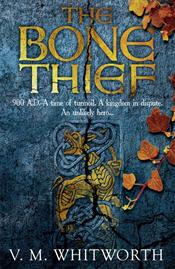
This is another in my occasional series of brick and tile in novels. Since this book is set in 900 AD, you may think that the author is erroneous, but ... First a little about the story itself:
900 A.D. A time of turmoil. A kingdom in dispute. An unlikely hero...
Edward,
son of Alfred the Great, has inherited the Kingdom of Wessex and
achieved a precarious set of alliances through marriage and military
conquest. But the alliance is uneasy and the kingdom of Mercia has more
reason than most to fear the might of Wessex. Their Lord is elderly and
perhaps mortally sick, and his wife fears that she does not have the
power to withstand hostile takeover. She also knows too well what her
neighbour is capable of - after all, King Edward is her brother.
The
chance to rescue St Oswald's bones, beloved patron saint, to consecrate
her new church and unite the people behind her, is too good an
opportunity to miss. But they are rumoured to be buried a long way north
- outside Lincoln, deep in hostile territory. Her secretary, Wulfgar,
groomed for the priesthood since he was a boy in the elegant cloisters
of Winchester cathedral but a naïve in the ways of the wider world - is
surprised to be sent on this mission. It will prove an incredibly
dangerous journey, requiring resources and courage Wulfgar did not know
he had, and support from surprising allies along the way including a
maverick priest and a Viking adventuress whose loyalties are far from
clear...
Now the scene is set, what about the tiles, you may ask? There were a couple of mentions. On page 162:
"It [Leicester Cathedral] had been made of golden stone and russet tile ..."
Edge of the seat stuff for the tile-kind ;) But does the phrase
russet tile mean ceramic tile? Ah, now. I think the author is playing a canny game here. It's simply not made clear. The word 'tile' is often used interchangeably - it could be ceramic, stone or even wood. In this case, maybe it's a brown or red sandstone flaggy sort of tile. If she meant ceramic then it's a bit contentious as the mere mention of
10th century ceramic tile in England is liable to evince a fainting fit in some quarters of the archaeological specialists gang. I think we might have 10th century roof tile at Coppergate in York, but publication of that before I snuff it is very unlikely, so according to some it's an urban myth (fair enough till the evidence is presented).
Crashing on - we have on page 269 a refence to a floor:
"[...] the inside of the Spider's Hall. Smoke-darkened plaster, tiled floor."
and:
"... scars in the tiles ..."
It's the same situation as the russet tiles - we're not quite sure if these tiles are stone or ceramic. This then, rather than an author showing their historical knowledge, is a lesson in what is important in a story. We don't need to know whether the tiles are ceramic or not. The story is the important thing. Whitworth has ensured her novel has an authentic feel in so many other ways, that we can trust her.
And a very interesting novel it is too. I heartily recommend it as a good read. I have the honour of reviewing it for the
Historical Novel Society, but can't put the review on this blog until it's published by the HNS. I'm not sure when that will be as unfortunately the review went it late due to the deadline clashing with one of my university essay deadlines. But I can say that if you're interested in early 10th century, you'll probably enjoy this book! Congratulations to
V M Whitworth on a marvellous debut novel.